Reviewd By

Dr. Manoj Pisal
Founder & Director, Shree Vishwamadhu Ayurved
Panchakarma, the ancient Ayurvedic detoxification therapy, focuses on cleansing the body of toxins (ama) and restoring balance to the doshas (Vata, Pitta, and Kapha). To ensure the success of your Panchakarma treatment, it’s essential to follow a specific diet that supports the detox process, aids in healing, and promotes optimal results. During Panchakarma, your body undergoes significant changes, and the foods you consume play a crucial role in maintaining balance, boosting digestion, and ensuring a smooth detox.
In this blog, we’ll guide you through what to eat during Panchakarma to maximize its benefits and help you feel rejuvenated.
Key Principles of Eating During Panchakarma
Before diving into specific food recommendations, it’s important to understand the guiding principles behind the Panchakarma diet:
- Simplicity and Lightness: The diet should be simple, easily digestible, and light. Heavy or complex foods can overwhelm the digestive system during the detox process.
- Warm, Cooked Foods: Ayurveda recommends warm, cooked foods as they are easier on the digestive system and help maintain the body’s internal warmth, aiding in detoxification and digestion.
- Easily Digestible Foods: Foods that are easy to digest support the detox process by allowing the body to focus its energy on cleansing rather than digestion.
- Seasonal and Local Ingredients: Fresh, seasonal, and local ingredients are emphasized in Ayurveda, as they are naturally aligned with the body’s needs and the environment.
- Avoiding Heavy, Oily, and Spicy Foods: These foods can be hard on the digestive system and may interfere with the cleansing process.
Foods to Eat During Panchakarma
During Panchakarma, your diet will be customized based on your dosha type (Vata, Pitta, or Kapha), and it will also depend on the stage of the Panchakarma process you’re in. However, there are some general dietary guidelines that apply to most individuals during the detoxification process.
1. Kitchari (Ayurvedic Rice and Lentil Dish)
- What it is: Kitchari is one of the most recommended dishes during Panchakarma. It’s made from a combination of rice, mung beans, and a variety of spices like cumin, coriander, and turmeric.
- Why it’s beneficial: Kitchari is a balanced, easily digestible dish that supports detoxification and nourishes the body. It’s rich in protein and fiber, making it ideal for cleansing and rejuvenation.
- Dosha Balance: It can be tailored for all dosha types by adjusting the spices and proportions of rice to lentils.
2. Warm Broths and Soups
- What it is: Homemade vegetable broths or soups made with seasonal vegetables, spices, and herbs.
- Why it’s beneficial: Soups are soothing for the digestive system, hydrating, and nourishing. They are easy to digest and offer vital nutrients without overwhelming the body.
- Dosha Balance: Soups made with gentle spices (like turmeric, ginger, and cumin) help balance all doshas. For Vata types, adding grounding ingredients like sweet potatoes or root vegetables is ideal.
3. Steamed Vegetables
- What it is: Steamed vegetables like carrots, squash, zucchini, and spinach.
- Why it’s beneficial: Steamed vegetables are easier to digest than raw vegetables and provide the body with essential vitamins and minerals.
- Dosha Balance: Depending on the dosha, vegetables can be chosen to balance the elements. For example, Vata types benefit from root vegetables, while Pitta types might prefer cooling vegetables like cucumbers and leafy greens.
4. Rice (White or Brown)
- What it is: Simple, plain, and well-cooked rice.
- Why it’s beneficial: Rice is light, nourishing, and easy to digest. It provides energy without burdening the digestive system.
- Dosha Balance: Rice is good for all doshas, and it helps in balancing Vata and Pitta doshas by providing stability and calmness.
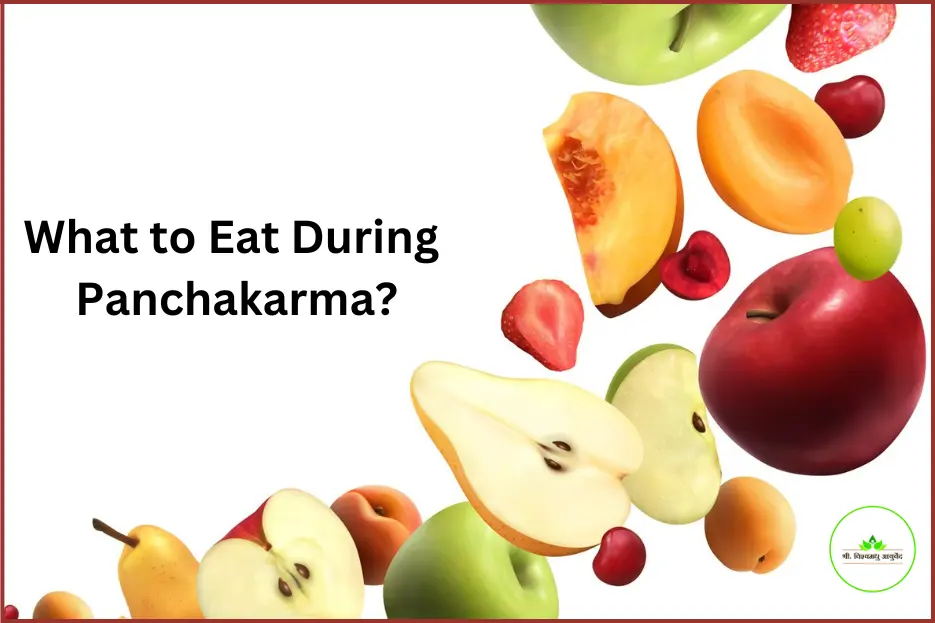
5. Fresh Fruits (in Moderation)
- What it is: Fresh fruits such as apples, pears, or pomegranates.
- Why it’s beneficial: Fruits offer hydration and essential nutrients. During Panchakarma, they should be eaten in moderation to avoid too much sugar intake.
- Dosha Balance: Fruits that are hydrating and mildly sweet help balance Pitta, while those that are grounding and sweet can soothe Vata.
6. Herbal Teas
- What it is: Herbal teas made from herbs like ginger, chamomile, peppermint, and fennel.
- Why it’s beneficial: Herbal teas help to stimulate digestion, reduce bloating, and promote detoxification. They also support the calming and soothing effects of Panchakarma.
- Dosha Balance: For Vata, ginger and cinnamon tea can warm and ground the system, while for Pitta, mint or fennel tea can offer cooling benefits.
7. Ghee (Clarified Butter)
- What it is: Ghee is a traditional Ayurvedic food made from clarified butter, and it’s often used in cooking or as a condiment.
- Why it’s beneficial: Ghee aids in digestion, lubricates the body, and supports the detoxification process by helping to eliminate toxins. It’s also nourishing for the tissues and helps in enhancing the absorption of nutrients.
- Dosha Balance: Ghee is particularly beneficial for Vata and Pitta doshas, as it balances dryness and heat. It should be used in moderation, as it is rich in fat.
Foods to Avoid During Panchakarma
To ensure that your body is supported during the detox process, there are certain foods that should be avoided during Panchakarma:
- Processed Foods: Avoid packaged, processed, and junk foods, as they can contain preservatives, artificial additives, and unhealthy fats that can impede the detoxification process.
- Heavy, Oily Foods: These foods can overwhelm your digestive system and disrupt the balance of your doshas, especially during the cleansing process.
- Spicy and Hot Foods: Avoid spicy, fried, or greasy foods that can increase internal heat and disrupt the body’s natural balance during detox.
- Raw Foods: Raw vegetables, salads, and cold drinks should be avoided, as they can be difficult to digest and may interfere with the body’s ability to eliminate toxins.
- Dairy Products: While ghee is allowed, regular dairy products like milk, cheese, and yogurt should be avoided, as they can produce mucus and sluggish digestion, especially during the detoxification phase.
Conclusion: Nourishing Your Body During Panchakarma
During Panchakarma, following a supportive diet is crucial for maximizing the benefits of the therapy. The foods you eat should focus on simplicity, digestibility, and nourishment, helping to facilitate the detox process and balance your doshas. By eating light, warm, and easy-to-digest foods like kitchari, soups, and steamed vegetables, you provide your body with the necessary nutrients while allowing it to heal and cleanse.
Always consult with your Ayurvedic practitioner for personalized dietary recommendations based on your specific dosha and health needs during Panchakarma to ensure the best possible outcomes.