Reviewd By

Dr. Manoj Pisal
Founder & Director, Shree Vishwamadhu Ayurved
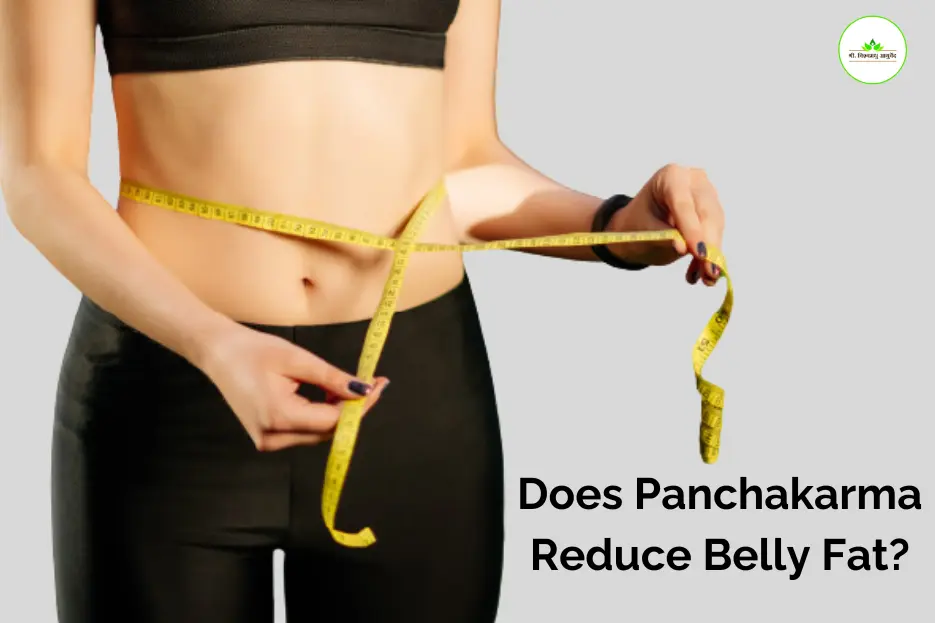
Panchakarma, an ancient Ayurvedic detoxification process, is well-known for its ability to cleanse the body, restore balance, and rejuvenate overall health. One of the most common queries regarding Panchakarma is whether it can help reduce belly fat. In this blog, we’ll explore how Panchakarma can contribute to weight management and its specific role in reducing belly fat.
What is Panchakarma?
Panchakarma, meaning “five actions” in Sanskrit, consists of five primary therapies that aim to cleanse the body of toxins, known as ama, and restore the balance of the three doshas (Vata, Pitta, and Kapha). The five therapies include:
- Vamana (Therapeutic vomiting)
- Virechana (Purgation)
- Basti (Medicated enema)
- Nasya (Nasal therapy)
- Raktamokshana (Bloodletting, though not commonly practiced)
These therapies help in detoxification, rejuvenation, and balancing the body, which indirectly aids in fat loss, including belly fat.
How Does Panchakarma Aid in Reducing Belly Fat?
While Panchakarma is not a weight-loss program per se, it can support the body in multiple ways that contribute to overall fat reduction, particularly around the belly area. Here’s how:
- Detoxification and Improved Digestion: One of the primary goals of Panchakarma is to detoxify the body by eliminating toxins (ama) that accumulate due to poor digestion, stress, and unhealthy eating habits. By cleansing the digestive system, Panchakarma improves metabolism and enhances the absorption of nutrients, preventing the buildup of fat in the body.
- Belly Fat Link: Poor digestion and sluggish metabolism can lead to the accumulation of fat, especially around the abdomen. By improving digestion and metabolism, Panchakarma helps the body burn fat more efficiently, reducing excess belly fat.
- Balancing Doshas: According to Ayurveda, an imbalance in the doshas, particularly Kapha (associated with earth and water elements), leads to weight gain and sluggishness. Panchakarma helps balance the doshas, especially Kapha, which is commonly linked to the accumulation of fat, particularly around the midsection.
- Belly Fat Link: When the Kapha dosha is balanced, the body becomes more energetic, and fat is metabolized more effectively, leading to a reduction in belly fat.
- Improved Circulation and Lymphatic Drainage: Panchakarma therapies, such as Abhyanga (Ayurvedic massage) and Basti (medicated enemas), help improve circulation, promote lymphatic drainage, and enhance detoxification. This process eliminates accumulated toxins, reduces fluid retention, and stimulates the body’s natural fat-burning mechanisms.
- Belly Fat Link: Poor circulation and stagnant lymphatic flow can contribute to bloating, water retention, and stubborn fat around the belly. Panchakarma helps improve circulation and encourages the removal of excess fluids and toxins from the body, which may help reduce bloating and belly fat.
- Stress Reduction: Chronic stress and elevated cortisol levels are known to contribute to fat storage, especially in the abdominal area. Panchakarma therapies, particularly Shirodhara (a treatment that involves the pouring of warm oil on the forehead), promote relaxation, reduce stress, and help normalize cortisol levels.
- Belly Fat Link: By reducing stress and lowering cortisol, Panchakarma helps prevent the accumulation of belly fat caused by hormonal imbalances and emotional eating.
- Promotes Healthy Eating Habits: Panchakarma encourages healthier eating practices by emphasizing mindful eating, balanced diets, and the use of Ayurvedic herbs and spices that support digestion and metabolism. These dietary changes can help prevent overeating and encourage healthy weight loss.
- Belly Fat Link: When the digestive system is properly aligned with Ayurvedic principles, the body is less prone to excess fat storage. By following Ayurvedic dietary guidelines, individuals can maintain a healthy weight and reduce abdominal fat.
Additional Panchakarma Treatments for Fat Loss
While the core Panchakarma therapies focus on detoxification, other Ayurvedic treatments can enhance fat loss efforts:
- Abhyanga (Ayurvedic Massage): This full-body massage uses herbal oils that stimulate circulation and help break down fat cells. It also boosts lymphatic drainage and enhances detoxification.
- Udvartana: This herbal powder massage is specifically designed to target weight loss and cellulite. It increases circulation, reduces fat accumulation, and promotes the breakdown of subcutaneous fat.
- Kati Basti: For localized belly fat, Kati Basti (a therapy focused on the lower back) helps with muscle toning and fat reduction in the abdominal region by using hot herbal oils and creating a soothing, therapeutic effect.
Is Panchakarma a Quick Fix for Belly Fat?
While Panchakarma can contribute to reducing belly fat, it is important to understand that it is not a quick-fix weight-loss solution. The process works best as part of a holistic approach to health, which includes proper diet, exercise, stress management, and a consistent Ayurvedic lifestyle. Panchakarma supports the body in detoxification and balance, which can lead to gradual and sustainable fat loss.
Conclusion: Panchakarma and Belly Fat Reduction
Panchakarma can certainly help reduce belly fat by improving digestion, balancing the doshas, boosting metabolism, and promoting overall wellness. The detoxification process it offers is a powerful tool in supporting healthy fat loss, particularly when combined with a balanced diet and regular physical activity.
However, it’s important to consult with an experienced Ayurvedic practitioner before undergoing Panchakarma to ensure that the treatments are appropriate for your body type, health condition, and specific goals. While Panchakarma provides numerous benefits for health, it should be seen as part of a larger lifestyle change that includes sustainable weight management practices.