Reviewd By
Dr. Manoj Pisal
Founder & Director, Shree Vishwamadhu Ayurved
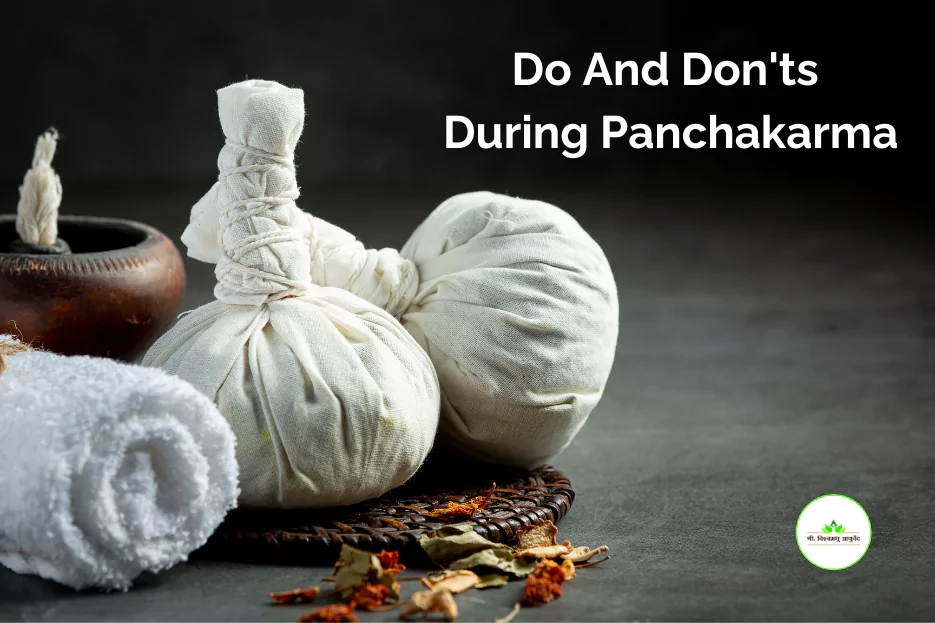
Panchakarma is one of the most profound Ayurvedic detoxification therapies, designed to cleanse the body, balance the doshas, and rejuvenate overall health. To get the best results, it’s important to follow specific Panchakarma do’s and don’ts throughout the process. In this blog, we’ll guide you through what you should and shouldn’t do before, during, and after Panchakarma for a safe and transformative experience.
✅ Do: Follow Pre-Panchakarma Preparation (Purvakarma)
Before starting the main Panchakarma treatments, Purvakarma is essential to prepare the body for deep detox. This includes:- Snehana (internal and external oleation): Intake of medicated ghee and body massage with herbal oils.
- Swedana (fomentation or sweating therapy): To loosen toxins from deep tissues.
❌ Don’t: Begin Panchakarma Without Medical Supervision
Panchakarma is not DIY. Always consult a qualified Ayurvedic practitioner who will assess your Prakriti (constitution) and Vikriti (imbalance) before prescribing therapies like Vamana, Virechana, Basti, Nasya, or Raktamokshana. Starting the process without proper diagnosis or attempting it at home can lead to complications.✅ Do: Eat a Panchakarma-Compatible Diet
During Panchakarma, your digestive fire is delicate. Support it by:- Eating warm, cooked foods like khichdi and steamed vegetables.
- Drinking herbal teas and warm water throughout the day.
- Avoiding raw, cold, or heavy-to-digest foods.
❌ Don’t: Consume Caffeine, Alcohol, or Processed Foods
One of the crucial Panchakarma don’ts is avoiding all stimulants and processed items. This includes:- Coffee, alcohol, soft drinks
- Packaged snacks and refined sugars
- Smoking or recreational drugs
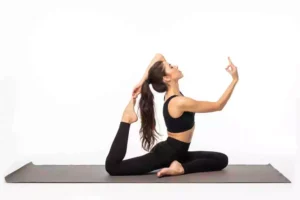
✅ Do: Practice Gentle Yoga and Meditation
Light stretching, restorative yoga, and breathing exercises (Pranayama) enhance detoxification by promoting circulation and calmness. Also, practicing daily meditation supports mental clarity, emotional release, and deep relaxation—essential during an intense detox like Panchakarma.
❌ Don’t: Overexert Physically or Mentally
Avoid strenuous exercise, excessive talking, or stressful situations. The body needs energy to process and eliminate toxins. Give yourself permission to slow down. Take naps, rest often, and embrace silence when possible.✅ Do: Stay Hydrated and Rested
Proper hydration with warm water or herbal teas helps flush out toxins naturally. Additionally, sound sleep is vital to restore your energy and support tissue regeneration during the cleansing process.❌ Don’t: Resume Your Old Lifestyle Immediately After Panchakarma
Once Panchakarma ends, your body is in a delicate, rebalancing state. Jumping back into heavy eating, travel, or screen time can undo the therapy’s benefits. Instead, follow post-Panchakarma care (Paschatkarma), which includes:- Gradual return to regular diet
- Continuing gentle yoga or meditation
- Taking prescribed herbal formulations