
13th Apr 2025

Does Panchakarma Really Work?

Home | Blogs | Does Panchakarma Really Work?

Reviewd By

Dr. Manoj Pisal

Founder & Director, Shree Vishwamadhu Ayurved
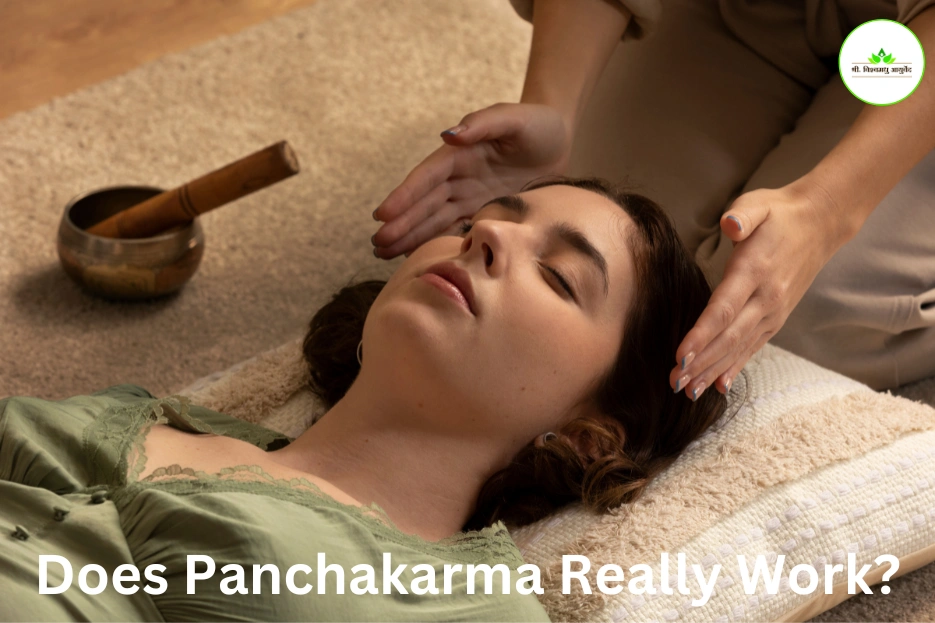
In recent years, Panchakarma, an ancient Ayurvedic detoxification therapy, has gained significant attention in wellness circles for its potential to cleanse, rejuvenate, and restore balance to the body and mind. But, with so many wellness trends circulating, many people are left wondering: Does Panchakarma really work? In this article, we’ll explore the effectiveness of Panchakarma, breaking down its benefits, the science behind it, and real experiences to help you understand if this traditional Ayurvedic therapy could be the solution to your health concerns.

What is Panchakarma?

Panchakarma is a comprehensive Ayurvedic detoxification process that involves a series of therapeutic treatments designed to cleanse the body of accumulated toxins (also known as ama), balance the three doshas (Vata, Pitta, and Kapha), and restore vitality. The term “Panchakarma” literally translates to “five actions,” referring to the five primary detox therapies included in this treatment:
  1. Vamana (Therapeutic vomiting)
  2. Virechana (Purgation or laxative therapy)
  3. Basti (Medicated enemas)
  4. Raktamokshana (Bloodletting)
  5. Nasya (Nasal administration of oils)

The Science Behind Panchakarma: Does It Really Work?

While the principles of Ayurveda and Panchakarma have been practiced for thousands of years, modern scientific research is beginning to support the effectiveness of these therapies in promoting health and well-being. Here’s how Panchakarma works and why it can be beneficial:

1. Cleansing the Body of Toxins (Ama)

According to Ayurveda, toxins, known as ama, accumulate in the body due to poor digestion, stress, poor diet, and environmental factors. These toxins can contribute to various health problems, including digestive issues, fatigue, skin conditions, and emotional imbalance. Panchakarma therapies help eliminate these toxins from the body, allowing the body to function more efficiently and maintain optimal health. Scientific support: Research on Ayurvedic detoxification supports the idea that certain therapies used in Panchakarma can improve digestive health, remove toxins, and reduce inflammation. For example, some studies have found that herbal preparations used during Panchakarma can enhance liver function and promote the excretion of harmful substances from the body.

2. Enhancing Digestive Health

One of the most significant benefits of Panchakarma is its ability to improve digestion and metabolism. Treatments such as Virechana (purgation) and Basti (medicated enemas) help cleanse the digestive tract, reducing bloating, constipation, and indigestion. These therapies help restore balance to the gut, improving the absorption of nutrients and promoting better overall health. Scientific support: Numerous studies have shown that Ayurveda-based therapies can be effective in treating digestive disorders. Medications and practices that target digestive health are used in Panchakarma to reduce inflammation, improve gut flora, and enhance digestion. This can lead to better nutrient absorption and reduced digestive discomfort.

3. Promoting Mental Clarity and Emotional Balance

Panchakarma doesn’t just detoxify the body; it also helps balance the mind. Stress and emotional imbalance can contribute to a variety of physical ailments. Panchakarma therapies, such as Nasya (nasal therapy) and Abhyanga (massage with herbal oils), soothe the nervous system, reduce stress, and promote relaxation. These therapies have been shown to improve mental clarity, focus, and emotional well-being. Scientific support: Ayurvedic treatments, including massage and aromatherapy, are known to activate the parasympathetic nervous system (the “rest and digest” system), which helps reduce stress and anxiety. Some research supports the benefits of herbal oils and oils used in Panchakarma to enhance mood, reduce cortisol levels, and promote relaxation.

4. Improving Skin Health

Panchakarma is known to have a positive effect on the skin, helping to clear acne, eczema, psoriasis, and other skin conditions. The therapies purify the blood, improve circulation, and detoxify the system, all of which contribute to healthier, glowing skin. Scientific support: Ayurvedic treatments are often recommended for skin disorders because of their detoxifying and anti-inflammatory properties. Herbal formulations, along with practices like Abhyanga (oil massage), are known to nourish the skin, clear toxins, and promote a youthful complexion.

5. Boosting Immunity

Panchakarma is said to strengthen the immune system by detoxifying the body and restoring balance to the doshas. A strong immune system is essential for preventing illness and promoting overall well-being. By cleansing the body and removing blockages, Panchakarma therapies boost the body’s natural defense mechanisms. Scientific support: Studies have shown that Ayurvedic detox practices, including Panchakarma, can enhance immune function. Herbal preparations used in Panchakarma are rich in antioxidants and anti-inflammatory compounds, which help the body resist infections and improve general health.

What to Expect During Panchakarma Treatment?

Panchakarma is a highly personalized treatment, tailored to the individual’s constitution (Prakriti) and specific imbalances (Vikriti). The process begins with a consultation with an experienced Ayurvedic practitioner who will assess your health and determine the appropriate therapies. During the treatment, you can expect a combination of herbal therapies, therapeutic massages, dietary modifications, and cleansing practices. The process usually lasts from several days to weeks, depending on the individual’s needs.

Does Panchakarma Have Any Side Effects?

Panchakarma is generally considered safe when performed under the guidance of a qualified Ayurvedic practitioner. However, because it involves deep cleansing, some people may experience temporary discomfort during the detoxification process, such as fatigue, mild headaches, or digestive disturbances. These symptoms are usually short-term and indicate that the body is expelling toxins.

Is Panchakarma Right for You?

While Panchakarma offers numerous benefits, it’s essential to consult with a licensed Ayurvedic practitioner before starting any treatment. People with specific health conditions (such as pregnancy, severe chronic illnesses, or infections) should seek medical advice to determine if Panchakarma is suitable for them.

Final Thoughts: Does Panchakarma Really Work?

In conclusion, Panchakarma is not just a trend—it’s a time-tested, holistic healing therapy with a multitude of benefits. Whether you’re looking to detoxify your body, improve digestion, reduce stress, or enhance overall wellness, Panchakarma can offer significant advantages. Supported by ancient wisdom and modern scientific findings, this Ayurvedic treatment provides a natural, effective path to achieving better health and vitality. So, does Panchakarma really work? Yes, when done properly, under the guidance of an experienced practitioner, Panchakarma can be an incredibly powerful tool for improving your health and restoring balance to your body and mind. If you’re considering Panchakarma, make sure to do thorough research and consult with a professional to determine if it’s the right option for you. With the right guidance, Panchakarma can lead to transformative, long-lasting benefits for your health and well-being.