31st August 2025
Ayurvedic Treatment for Lumbar Spondylosis
Reviewd By

Dr. Manoj Pisal
Founder & Director, Shree Vishwamadhu Ayurved
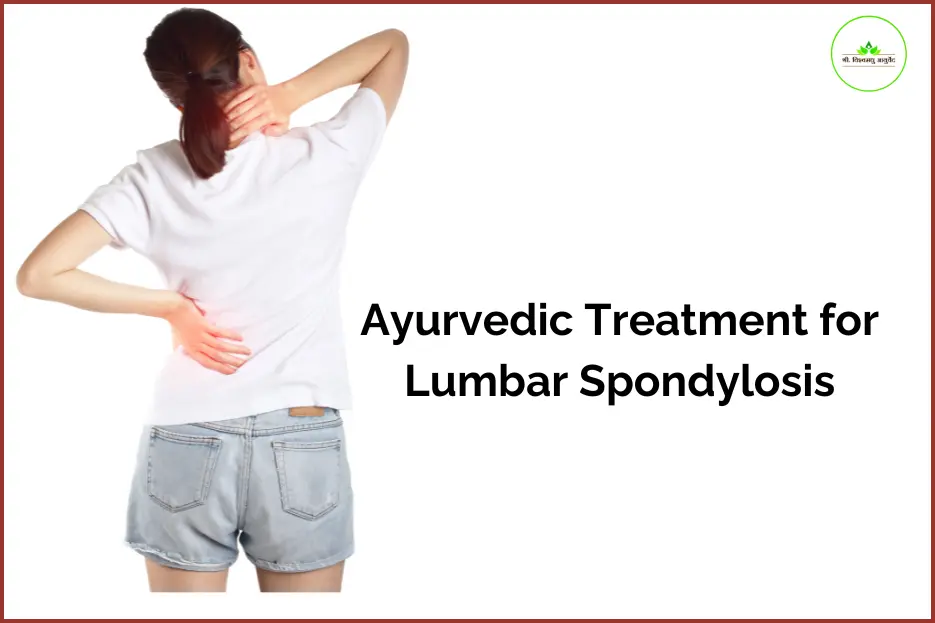
Lumbar spondylosis, a degenerative condition of the spine that affects the lower back, is a common cause of discomfort, pain, and limited mobility, especially in older adults. It results from the wear and tear of the intervertebral discs, ligaments, and joints in the lumbar (lower back) region. While modern medicine often focuses on pain relief through medications or surgical interventions, many individuals are turning to Ayurveda for a more holistic and natural approach to treating lumbar spondylosis.
In this blog, we will explore Ayurvedic treatments for lumbar spondylosis, offering a comprehensive understanding of how this ancient healing system addresses the root cause of back pain and supports long-term spinal health.
What is Lumbar Spondylosis?
Lumbar spondylosis refers to the age-related degeneration of the discs and joints in the lower back. Over time, the spine’s discs lose their elasticity and cushioning ability, leading to pain, stiffness, and limited movement. The condition may also cause bone spurs, which can press on spinal nerves, leading to symptoms such as:
- Chronic lower back pain
- Muscle stiffness and spasms
- Numbness, tingling, or weakness in the legs
- Limited mobility or difficulty bending or twisting
- Sciatica (pain radiating down the leg)
While lumbar spondylosis is often seen as an inevitable part of aging, it can be triggered or worsened by factors like poor posture, lack of exercise, obesity, and improper lifting techniques.
Ayurvedic Perspective on Lumbar Spondylosis
In Ayurveda, lumbar spondylosis is considered an imbalance in the Vata dosha, particularly in the lower back region. Vata governs the body’s movements, including the movements of joints and bones. When Vata becomes aggravated due to factors like poor diet, stress, or sedentary lifestyle, it can lead to the degeneration of spinal discs and tissues, resulting in pain, inflammation, and stiffness.
Ayurveda takes a holistic approach to treating lumbar spondylosis, focusing on restoring balance to the Vata dosha, improving circulation, lubricating the joints, and nourishing the spine. Ayurvedic treatments for lumbar spondylosis are personalized to suit each individual’s body constitution (Prakriti) and the nature of the imbalance (Vikriti).
Key Ayurvedic Treatments for Lumbar Spondylosis
- Herbal Remedies for Pain and Inflammation
Ayurveda offers a variety of herbs that help alleviate pain, reduce inflammation, and support overall spinal health. Some of the most effective herbs for managing lumbar spondylosis include: - Ashwagandha (Withania somnifera): Known for its powerful anti-inflammatory and muscle-relaxing properties, Ashwagandha helps to strengthen the bones and muscles, reduce pain, and calm Vata imbalance.
- Turmeric (Curcuma longa): With its active compound curcumin, turmeric has potent anti-inflammatory properties. It can help reduce swelling and pain in the lower back, while promoting tissue regeneration.
- Shallaki (Boswellia serrata): Shallaki is a well-known herb for joint and spinal health. It reduces inflammation and pain, improves circulation, and helps in the regeneration of cartilage and bones.
- Guggulu (Commiphora wightii): Guggulu is widely used to treat joint-related disorders and has a detoxifying effect on the body. It reduces inflammation, alleviates pain, and enhances joint mobility.
- These herbs can be taken in various forms such as powders, capsules, or as part of Ayurvedic oils for topical application.
- Panchakarma Therapy: Detoxification and Rejuvenation
Panchakarma is a traditional Ayurvedic detoxification process aimed at cleansing the body and restoring balance. This five-step treatment includes various therapies that help to remove toxins (Ama), reduce inflammation, and rejuvenate the body’s tissues.
Key Panchakarma treatments for lumbar spondylosis include: - Abhyanga (Oil Massage): A full-body massage using warm, medicated oils such as Mahanarayan oil or Ashwagandha oil helps to calm Vata, improve circulation, and lubricate the joints. Abhyanga also promotes relaxation, alleviates muscle stiffness, and reduces back pain.
- Swedana (Steam Therapy): Swedana is used to induce sweating and open up the channels in the body. When combined with herbal oils, it helps in eliminating toxins and alleviating pain.
- Basti (Medicated Enemas): Basti therapy is used to flush out toxins from the body, especially from the lower back region, where Vata is predominantly located. It helps to restore balance and alleviate inflammation in the spine.
- Panchakarma therapies are typically performed under the supervision of a trained Ayurvedic practitioner to ensure optimal results.
- Ayurvedic Oil Massage (Abhyanga)
Abhyanga, a therapeutic massage with warm herbal oils, is a cornerstone of Ayurvedic treatment for lumbar spondylosis. Regular oil massages help soothe the Vata dosha, reduce stiffness, and improve the circulation in the lower back region. The oils used in the massage—such as Sesame oil, Mahanarayan oil, and Ashwagandha oil—are known for their pain-relieving and anti-inflammatory properties.
Abhyanga not only helps in managing pain but also promotes overall relaxation and well-being. For best results, regular sessions are recommended. - Yoga and Pranayama (Breathing Exercises)
Yoga and pranayama (breathing exercises) play a crucial role in managing lumbar spondylosis. Specific yoga asanas (postures) can help to strengthen the muscles around the spine, improve flexibility, and promote proper spinal alignment.
Some beneficial yoga poses for lumbar spondylosis include: - Bhujangasana (Cobra Pose): Helps stretch and strengthen the lower back, promoting flexibility.
- Paschimottanasana (Seated Forward Bend): Stretches the spine, hamstrings, and back muscles, reducing stiffness.
- Adho Mukha Svanasana (Downward-Facing Dog): Improves overall flexibility and strengthens the spine and core muscles.
- Pranayama techniques, such as Anulom Vilom (Alternate Nostril Breathing) and Bhastrika (Bellows Breath), help reduce stress, calm the mind, and promote deeper relaxation, which in turn can reduce pain and inflammation in the body.
- Dietary Recommendations and Lifestyle Changes
In Ayurveda, diet is a crucial part of maintaining balance and preventing further degeneration of the spine. For lumbar spondylosis, it is recommended to focus on warm, nourishing, and easily digestible foods. Some dietary recommendations include: - Warm soups, stews, and broths: These help soothe Vata and provide the body with essential nutrients.
- Ghee (clarified butter): A traditional Ayurvedic food that helps lubricate the joints and balance Vata.
- Root vegetables (such as carrots and sweet potatoes): These are grounding and beneficial for strengthening the bones and muscles.
- Nuts and seeds (especially walnuts, sesame seeds, and flaxseeds): Rich in omega-3 fatty acids, they help reduce inflammation and support joint health.
- It is also advised to avoid foods that aggravate Vata, such as cold, dry, and processed foods. Drinking warm herbal teas made from ginger or turmeric can also help reduce inflammation and support digestion.
- Postural Awareness and Physical Activity
Regular physical activity, including gentle stretching exercises and walks, can help maintain spinal health. However, it’s important to avoid overexertion and movements that may strain the lower back. Yoga and Pilates are excellent forms of exercise for strengthening the core and supporting the spine.
Why Choose Ayurvedic Treatment for Lumbar Spondylosis?
- Holistic Healing: Ayurveda treats the whole person, addressing not only the physical symptoms but also emotional and mental factors that may contribute to the condition.
- Natural and Safe: Ayurvedic treatments focus on natural herbs, oils, and therapies that are gentle on the body, offering a safer alternative to conventional pain medications and invasive procedures.
- Long-Term Relief: Ayurveda aims for long-term relief by targeting the root cause of the condition and restoring balance to the body.
- Personalized Care: Ayurvedic practitioners customize treatments based on an individual’s unique constitution and health profile, ensuring the most effective care.
Conclusion
Lumbar spondylosis is a challenging condition, but with the right Ayurvedic approach, relief from pain and stiffness is possible. By incorporating herbal remedies, oil massages, detoxification therapies, and yoga into your routine, you can not only manage the symptoms of lumbar spondylosis but also support long-term spinal health.
If you’re struggling with lumbar spondylosis, consulting an experienced Ayurvedic practitioner can help you develop a personalized treatment plan that addresses both the symptoms and the underlying causes of your condition.