
Home >Treatments> Pediatrics
Pediatrics
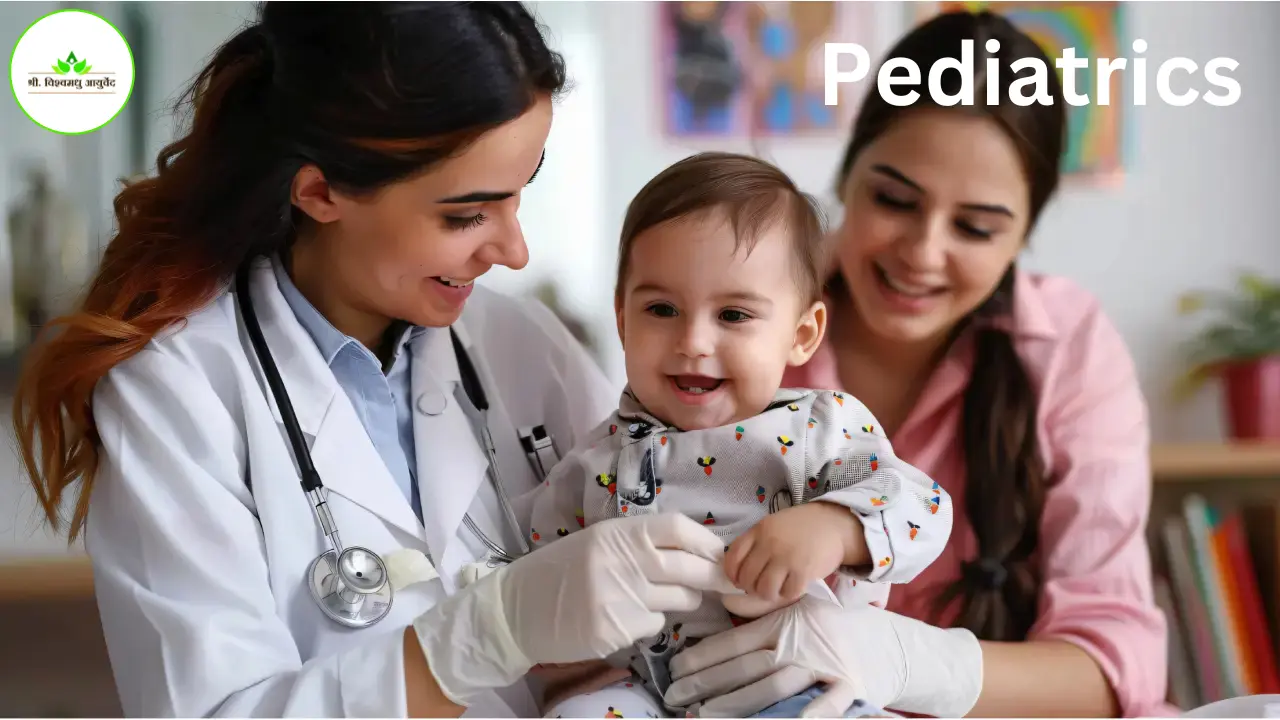
Pediatrics: Comprehensive Care for Your Child’s Health and Well-Being
Pediatrics is a branch of medicine focused on the medical care of infants, children, and adolescents. It encompasses a wide range of health care needs, from preventive care and vaccinations to the treatment of illnesses, injuries, and developmental concerns. As a parent or caregiver, it’s essential to ensure your child receives the best care to ensure their growth and development are on track. Pediatric care covers everything from newborn health to adolescence, supporting both physical and emotional well-being.
What is Pediatrics?
Pediatrics is the medical specialty that focuses on the health of children from birth through adolescence (up to the age of 18). Pediatricians are doctors who are specially trained to diagnose and treat a wide variety of health conditions that affect children, as well as to provide guidance for parents regarding their child’s development and well-being.
Importance of Pediatric Care
Regular pediatric care is essential for:
- Growth and Development Monitoring:
Pediatricians ensure that your child is reaching developmental milestones at the right age, including physical, cognitive, and emotional growth. - Immunization:
Vaccinations are crucial to protect children from potentially serious diseases. Pediatricians provide immunization schedules and advise on any necessary booster shots. - Disease Prevention and Health Education:
Pediatricians offer guidance on nutrition, exercise, hygiene, and lifestyle habits to ensure your child maintains a healthy lifestyle. - Management of Chronic Conditions:
Pediatricians help manage long-term health conditions like asthma, diabetes, or allergies that may require ongoing treatment and monitoring. - Acute Illness and Injury Care:
From colds and flu to broken bones and infections, pediatricians are equipped to treat and manage childhood illnesses and injuries.
Common Pediatric Services
1. Well-Child Visits:
- Regular check-ups are vital for monitoring your child’s health. These visits allow the pediatrician to:
- Monitor growth (height, weight, and head circumference).
- Administer required vaccinations.
- Discuss your child’s diet, sleep habits, and overall well-being.
- Screen for developmental milestones and address concerns.
2. Immunizations:
- Vaccines are essential to protect your child from preventable diseases. Pediatricians provide a vaccination schedule that starts at birth and continues into adolescence, including vaccines for measles, mumps, rubella, chickenpox, and flu.
3. Newborn Care:
- After birth, newborns require specialized care, including:
- Monitoring for jaundice, feeding issues, and overall health.
- Early screening for potential health issues such as congenital disorders.
4. Acute Illness and Injury Treatment:
- Pediatricians diagnose and treat common illnesses, including:
- Respiratory infections (colds, flu, bronchitis).
- Ear infections, sore throats, and coughs.
- Rashes and allergic reactions.
- Minor injuries, such as sprains, fractures, and burns.
5. Chronic Condition Management:
- Pediatricians help manage chronic conditions that affect children, such as:
- Asthma, allergies, and eczema.
- Type 1 diabetes, obesity, and high blood pressure.
- Epilepsy and other neurological disorders.
6. Developmental and Behavioral Assessments:
- Pediatricians assess a child’s cognitive, emotional, and behavioral development. They also provide early interventions for conditions such as:
- Autism spectrum disorder (ASD).
- Attention-deficit/hyperactivity disorder (ADHD).
- Speech delays and learning disabilities.
7. Adolescent Care:
- As children grow older, pediatricians provide guidance on physical and emotional changes associated with adolescence, including:
- Puberty and sexual health.
- Mental health support for anxiety, depression, and stress.
- Preventive care, including sexual health education and substance use prevention.
When Should You Visit a Pediatrician?
- Routine Check-ups: Regular well-child visits should be scheduled according to your pediatrician’s recommended schedule, often at intervals such as 2 weeks, 2 months, 4 months, 6 months, and annually after age 3.
- If Your Child Shows Symptoms of Illness:
- Fever, unexplained rashes, persistent coughing, changes in appetite or behavior, and signs of dehydration all require a pediatrician’s evaluation.
- When You Notice Developmental Concerns:
- If your child is not reaching developmental milestones or is experiencing delays in speech, motor skills, or social development, a pediatric consultation is important.
- If You Have Health Concerns:
- Concerns regarding weight, sleep patterns, allergies, or emotional issues like stress, anxiety, or depression should be discussed with a pediatrician.
Pediatric Services at Our Clinic
At our clinic, we provide comprehensive pediatric care tailored to your child’s unique needs. Our pediatricians are committed to offering the best care possible, helping to promote the health and well-being of children through every stage of life. Our services include:
- Routine health screenings and immunizations.
- Treatment of common childhood illnesses and injuries.
- Management of chronic health conditions.
- Developmental and behavioral assessments.
- Adolescent care and preventive services.
Why Choose Our Pediatric Care?
- Experienced Pediatricians:
Our team of pediatricians is highly trained and experienced in caring for children from infancy to adolescence. - Personalized Care:
We take the time to understand your child’s health needs and tailor treatments and recommendations to their specific needs. - Child-Friendly Environment:
Our clinic is designed with children in mind, providing a comfortable and welcoming atmosphere for both parents and children. - Preventive Focus:
We emphasize preventive care to help your child stay healthy and avoid potential health issues in the future. - Open Communication:
We believe in maintaining open communication with parents, ensuring that you are well-informed and comfortable with the care your child is receiving.
Conclusion
Pediatric care plays a crucial role in ensuring your child’s healthy growth and development. From routine check-ups and vaccinations to the treatment of illnesses and chronic conditions, pediatricians provide essential care to keep your child healthy and thriving. Choosing the right pediatric care is vital for your child’s physical, emotional, and developmental well-being.
Contact us today to schedule an appointment and give your child the best possible start in life!
Ask us anything about Pediatrics, we’ve got you covered.
Should you have any unanswered queries, don’t hesitate to contact us. We’re always ready to help.
Is Ayurveda safe for children?
Yes, Ayurveda is generally safe for children when treatments and dosages are age-appropriate. It focuses on natural remedies and herbal formulations that are gentle on the body.
What are common Ayurvedic treatments for colic in infants?
Herbs like Ajwain (carom seeds), Hing (asafoetida), and Ginger can be used in small amounts to relieve gas and bloating. Massaging with sesame oil can also soothe.
How can Ayurveda help with common cold and cough in children?
Ayurvedic remedies include herbal teas made from Tulsi (holy basil), Ginger, and Honey, along with steam inhalation using Eucalyptus or Camphor.
Can Ayurveda help with teething pain?
Yes, gentle massages with clove oil (diluted) or ashwagandha oil can soothe teething pain. Also, using herbal-based teething gels may provide relief.
How does Ayurveda treat fevers in children?
For mild fevers, Ayurvedic remedies like Tulsi, Ginger, Peppermint, and Lemon are used. Proper hydration and diet are also recommended to support recovery.