28th December 2025
Who Should Avoid Panchakarma? Ayurvedic Advice from Pune Doctors
Reviewd By
Dr. Manoj Pisal
Founder & Director, Shree Vishwamadhu Ayurved
Not everyone is a good candidate for Panchakarma — and knowing this could protect your health.
While Panchakarma is one of Ayurveda’s most powerful detoxification therapies, certain health conditions, life stages, and body types make it unsafe or counterproductive.
Studies show that nearly 30% of people who seek Panchakarma come with contraindicated conditions they weren’t even aware of.
In this post, you’ll learn exactly who should avoid Panchakarma, why these contraindications exist according to classical Ayurvedic wisdom, and what safer alternatives are available — so you can make a truly informed decision before booking your first session at a Pune Ayurveda clinic.
Key Takeaways
- Panchakarma is not for everyone: Certain conditions like active fever, pregnancy, severe anemia, and recent surgery make Panchakarma genuinely risky — understanding these contraindications can help you avoid serious complications.
- Children under 7 and elderly over 80 need special caution: Their bodies lack the strength to handle deep detoxification, but gentler Ayurvedic therapies can still offer them meaningful relief.
- Timing matters more than you think: Even if you’re generally healthy, beginning Panchakarma during menstruation, extreme emotional stress, or immediately after a heavy meal can reduce its effectiveness and cause discomfort.
- A pre-treatment consultation could save you months of setbacks: Our doctors at ShreeVishwaMadhu Ayurved in Pune assess your Prakriti, current health, and medical history before recommending any Panchakarma procedure — because skipping this step is where most problems begin.
- Safer alternatives exist: If you’re contraindicated for full Panchakarma, treatments like Shirodhara, herbal oil massage (Abhyanga), or customized internal medicines can still support your healing journey beautifully.
So, What Exactly Is Panchakarma — And Why Does It Matter Who Does It?
Here’s the thing: Panchakarma literally means “five actions.”
It’s a structured, intensive purification process designed to flush toxins (called Ama) from deep tissues. The five therapies involved are Vamana (therapeutic emesis), Virechana (purgation), Basti (medicated enema), Nasya (nasal therapy), and Raktamokshana (bloodletting).
This is powerful medicine. And powerful medicine demands the right patient at the right time.
Have you ever wondered why a treatment that works beautifully for one person seems to exhaust another?
At our clinic in Thergaon, Pimpri-Chinchwad — just minutes from Wakad and Aundh in Pune — we see this regularly. Panchakarma works by creating a controlled, intentional stress on the body’s systems to trigger deep cleansing. That’s precisely why the body receiving it must be strong enough to handle — and benefit from — that process.
According to research published on PubMed Central, Panchakarma therapies have demonstrated measurable physiological effects on the body — which is exactly why proper patient selection is non-negotiable.
Who Should Avoid Panchakarma?
Let’s walk through the main contraindications clearly.
Some of these are absolute — meaning no Panchakarma under any circumstances. Others are relative, meaning the therapy can proceed with modifications and extra caution.
1. Pregnant Women
Pregnancy is one of the clearest contraindications in classical Ayurvedic texts like the Charaka Samhita.
The strong purgative, emetic, and eliminative procedures involved in Panchakarma can disturb the delicate balance required for fetal nourishment. Specifically, Vamana and Virechana are strictly off-limits, as they create significant abdominal pressure.
These procedures could risk miscarriage or preterm labor — something no expectant mother should take chances with. The Mayo Clinic’s guidance on pregnancy safety similarly emphasizes avoiding intensive physical or detox therapies during pregnancy.
One of our patients — a young woman from Wakad, Pune — came to us in her second trimester hoping to “cleanse her body” before delivery. We understand the instinct completely.
Our doctors advised her to skip Panchakarma entirely and instead put her on a customized Ayurvedic dietary plan with safe herbal support. She delivered a healthy baby and came back to us post-delivery for a full Panchakarma series at our Pune center.
2. People with Active Fever or Acute Infections
If your body is currently fighting an infection, Panchakarma is not appropriate.
In Ayurveda, active fever (Jwara) is seen as the body’s own purification process already underway. Introducing aggressive detox therapies during this phase interferes with the body’s natural response and can worsen the condition.
This applies to viral fevers, seasonal infections (very common during Pune’s monsoon season), UTIs in the acute phase, and post-COVID conditions where the body is still recovering. Healthline’s overview of fever management explains why the body’s immune response during fever requires rest and support — not additional stressors.
3. Severely Underweight or Malnourished Individuals
Panchakarma is a depleting therapy before it becomes a nourishing one.
The preparatory phase (Purvakarma) and active procedures require significant physical reserves. If someone is severely underweight, anemic, or malnourished, the body simply doesn’t have the strength to handle this depletion safely.
We often tell patients in Pune: think of it like fasting. A short fast can be wonderful for a healthy person. But for someone already running on empty, it becomes dangerous — we need to build you up first, then cleanse.
4. Individuals with Certain Heart Conditions
People with uncontrolled hypertension, recent cardiac events, or serious arrhythmias should avoid Panchakarma.
Procedures like Vamana (therapeutic vomiting) create sudden pressure changes in the thoracic cavity. Basti (medicated enema) can also be contraindicated depending on the nature of the cardiac condition.
The Cleveland Clinic’s cardiac health resources highlight why any intensive therapy — Ayurvedic or otherwise — requires careful cardiac screening first. This doesn’t mean Ayurveda can’t help with heart health — it absolutely can — but the treatment path will look very different, focusing on gentle herbs, dietary modifications, and therapies like Shirodhara.
5. People Who Have Recently Had Surgery
Post-surgical patients need time to heal.
Introducing strong Panchakarma therapies within 6–8 weeks of surgery — particularly procedures involving physical manipulation or strong herbal oils — can disrupt wound healing and tissue repair.
We always recommend waiting and allowing the body to fully stabilize first. Many Pune patients recovering from surgery find that gentle Abhyanga massage, started only after medical clearance, supports their recovery beautifully without the risks of full Panchakarma.
6. Children Under 7 and Elderly Patients Above 80
Classical Ayurvedic texts are clear on this point.
Very young children and very elderly patients lack the Bala (physical strength) required to safely undergo Panchakarma’s more intensive procedures. Their bodies are either still developing or naturally weakening, and the process can overwhelm them.
Consider this: a 4-year-old’s digestive and immune systems are still maturing. Forcing a strong emesis or purgation could cause dehydration and electrolyte imbalance very quickly.
Similarly, an 82-year-old with fragile bones and reduced kidney function needs a far gentler approach. We have excellent alternatives for both groups at our Pune Ayurveda center.
7. People Experiencing Extreme Emotional Disturbance
This one surprises many people.
Ayurveda has always understood the deep connection between the mind and body. Someone in the middle of acute grief, a mental health crisis, or extreme anxiety is not in the right state for Panchakarma.
The process itself can be emotionally intense — people often release stored emotions during therapy. Without psychological stability, this can become overwhelming rather than healing. Research from the NIH on mind-body medicine acknowledges this psychosomatic dimension of Ayurvedic treatment.
8. During Menstruation
Most Panchakarma procedures — particularly Virechana and Basti — are avoided during active menstruation.
The body is already in a natural downward-moving (Apana Vayu) process. Introducing additional elimination therapies can disturb this natural rhythm, causing excessive bleeding or painful cramping.
We always ask female patients at our Pune clinic about their cycle timing before scheduling sessions. It’s a simple step that makes a significant difference.
“But My Friend Did It and She Was Fine!” — Understanding Individual Variation
We hear this often at our Pune Ayurveda center. And it’s true — Ayurveda is deeply individualized.
What’s contraindicated for one person might be perfectly safe for another, even with a similar condition. That’s why the consultation isn’t just a formality. It’s the most important part of the process.
One patient from Dange Chowk, Pune came to us after hearing a colleague rave about his Panchakarma experience.
This patient had Type 2 diabetes, was on insulin, and had a mild heart condition. His colleague — a healthy 35-year-old from Baner with seasonal allergies — had a genuinely transformative experience.
But our doctors knew immediately that a standard Panchakarma protocol would be inappropriate for this particular patient.
Instead, we designed a 21-day customized program of Abhyanga (therapeutic oil massage), Shirodhara (warm oil poured on the forehead), dietary adjustments, and targeted herbal formulations.
By the end, his blood sugar readings had improved, his sleep was dramatically better, and his energy levels were up. Same goal. Completely different path.
What Can You Do If You’re Contraindicated?
Don’t worry — being contraindicated for full Panchakarma doesn’t mean Ayurveda can’t help you.
Here are the gentler alternatives our Pune doctors frequently recommend:
Abhyanga (Full Body Medicated Oil Massage) This is deeply nourishing and balances Vata dosha. It’s safe for most people, including the elderly and those recovering from illness. Many of our patients in Nigdi and Aundh start their Ayurvedic journey here.
Shirodhara Warm herbal oil is poured in a continuous stream over the forehead. It’s extraordinarily effective for stress, anxiety, insomnia, and neurological complaints — and gentle enough for most contraindicated patients. Healthline’s overview of Shirodhara outlines its calming physiological effects.
Dietary and Lifestyle Counseling Sometimes the most powerful medicine is the right food at the right time. Our Ayurvedic doctors in Pune craft meal plans based on your Prakriti and current dosha imbalance.
Herbal Formulations Classical Ayurvedic medicines like Triphala, Ashwagandha, and Shatavari can support detoxification and healing. They offer meaningful benefits without the intensity of Panchakarma procedures. PubMed Central research on Ashwagandha documents its adaptogenic and restorative properties.
When IS the Right Time for Panchakarma?
Now that we’ve covered who shouldn’t do it, you might be wondering — when should I?
The ideal candidate is someone who is generally healthy but dealing with chronic imbalances. This includes recurring digestive issues, seasonal allergies, joint stiffness, fatigue, or persistent skin problems.
The best seasons in Pune for Panchakarma are typically late monsoon (September–October) and early spring (February–March). During these windows, Pune’s climate supports the body’s natural receptiveness to deep cleansing.
Frequently Asked Questions
Q1: Can I do Panchakarma if I have diabetes?
It depends on the type of diabetes, how well it’s controlled, and your overall health status.
Well-controlled Type 2 diabetes — where blood sugar levels are stable — may not be an absolute contraindication for all Panchakarma procedures. However, therapies like Virechana and Vamana require careful monitoring, as they can affect blood glucose levels significantly. Insulin-dependent patients in particular need thorough evaluation before any procedure.
At ShreeVishwaMadhu Ayurved in Pune, we conduct a detailed pre-treatment assessment for all diabetic patients. In most cases, we recommend a modified program combining gentle therapies, herbal support, and dietary guidance rather than full Panchakarma — which still delivers excellent results.
Q2: Is Panchakarma safe during winter in Pune?
Winter in Pune — roughly November through February — is generally considered a suitable time for certain Panchakarma procedures, particularly those involving oil-based therapies like Snehana (oleation) and Swedana (steam therapy).
However, the specific suitability depends on your individual constitution (Prakriti), current health, and the type of Panchakarma procedure recommended. Vata-aggravating procedures may need adjustment during the drier, cooler months Pune experiences in December and January.
Our doctors at ShreeVishwaMadhu Ayurved tailor every treatment plan to Pune’s local seasonal rhythms. If you’re considering Panchakarma this winter, a consultation is the best first step.
Q3: How long should I wait after recovering from COVID-19 before doing Panchakarma?
Most Ayurvedic physicians recommend waiting at least 3–6 months after full recovery from COVID-19 before beginning Panchakarma.
Post-COVID conditions — including fatigue, brain fog, and reduced lung capacity — indicate the body is still in a recovery and rebuilding phase. Introducing strong detox therapies too early can deplete already-compromised reserves and slow full recovery. Research on post-COVID fatigue confirms that the body requires an extended rebuilding period after even mild infections.
At our Pune center, we’ve developed a specific post-COVID Ayurvedic recovery protocol that safely rebuilds strength before introducing any Panchakarma procedures. Many patients from Hinjewadi and Wakad have gone through this program with excellent outcomes.
Q4: Can elderly people benefit from Ayurveda if they can’t do Panchakarma?
Absolutely — and this is one of the most encouraging aspects of Ayurvedic medicine.
While intensive Panchakarma procedures are contraindicated for patients above 80, there is a wide range of gentle therapies and herbal formulations that are both safe and highly effective for elderly patients. Abhyanga (oil massage), Shirodhara, and customized herbal medicines for joint health, digestion, and immunity are all excellent options.
Many elderly patients across Pune — including those referred to us from Aundh and Pimpri-Chinchwad — experience significant improvements in sleep, mobility, and overall vitality through these gentler Ayurvedic approaches. Age is never a barrier to Ayurvedic wellness; it simply shapes the path.
Q5: What happens if someone undergoes Panchakarma when they’re contraindicated?
The consequences range from mild discomfort to serious medical complications, depending on the contraindication involved.
For example, performing Virechana on someone with severe anemia can cause dangerous dehydration and electrolyte imbalance. Performing Vamana on someone with a cardiac condition can trigger dangerous pressure changes in the heart and chest. These are not theoretical risks — they are documented reasons why classical Ayurvedic texts devote considerable attention to contraindications.
This is why choosing a qualified, experienced Ayurvedic physician in Pune — not just any wellness center — is essential. At ShreeVishwaMadhu Ayurved, our doctors follow classical screening protocols for every patient before recommending any procedure.
Q6: How do I know if I’m a good candidate for Panchakarma?
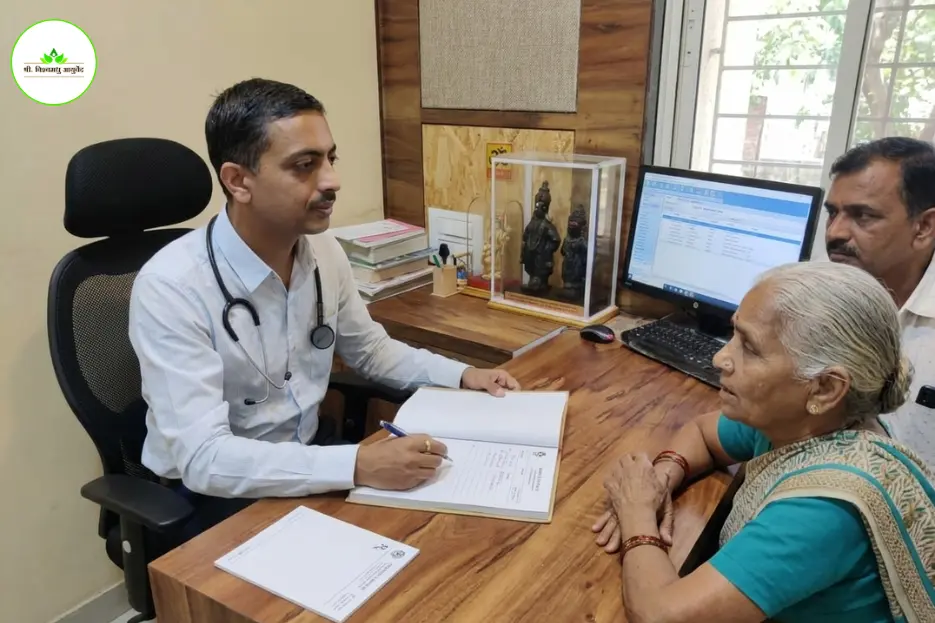
The most reliable way to know is through a proper in-person Ayurvedic consultation.
A qualified Ayurvedic physician will assess your Prakriti (body constitution), current Vikriti (imbalance state), medical history, medications, and seasonal timing before making any recommendation. Self-assessing based on online content — including this article — is not a substitute for professional evaluation.
If you’re in Pune and curious about whether Panchakarma is right for you, we invite you to book a consultation at ShreeVishwaMadhu Ayurved. Our doctors will give you an honest, thorough assessment — and if you’re not a candidate right now, we’ll tell you that clearly and suggest what will actually help.
Must Read: Who should do Panchakarma?
Talk to Us Before You Decide
We understand there’s a lot of information out there, and it can be genuinely confusing.
You’re not alone in feeling unsure about whether Panchakarma is right for you. That’s exactly why our doctors at ShreeVishwaMadhu Ayurved and Panchkarma Center in Pune offer thorough consultations before recommending any treatment plan.
We’d love to hear your story, understand your health history, and guide you toward the path that’s truly right for you — whether that’s a full Panchakarma series or something much gentler.
📍 Visit us at: Shree Vishwamadhu Ayurved And Panchkarma Center, Valencia, Aundh BRT Road, Dange Chowk Rd, near Vai Bank, Thergaon, Pimpri-Chinchwad, Maharashtra 411033
📞 Call us: +91-9850892425 / 9552527955
📧 Email: shreevishwamadhuayurved@gmail.com
🌐 Website: www.shreevishwamadhu.com
Your health is not a one-size-fits-all journey — and we’re here, in Pune, to make sure you’re on the right one.
This blog is for informational purposes only and does not replace a personalized consultation with a qualified Ayurvedic physician.