24th August 2025
Ayurvedic Treatment for Spondylosis
Reviewd By

Dr. Manoj Pisal
Founder & Director, Shree Vishwamadhu Ayurved
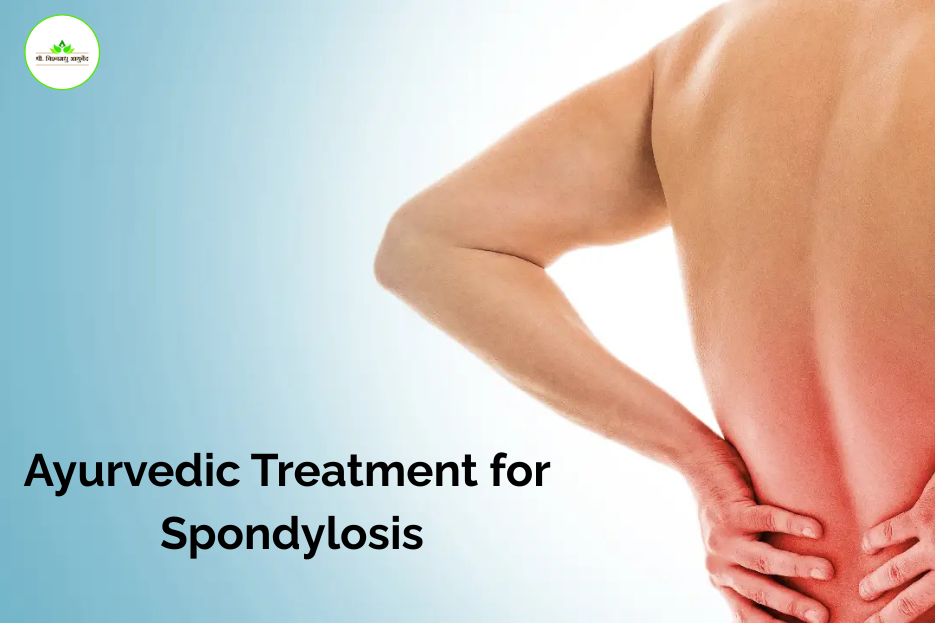
Spondylosis, also known as spinal osteoarthritis, is a common condition that affects the spine, leading to pain, stiffness, and reduced mobility. While it is often associated with aging, factors such as poor posture, sedentary lifestyle, and repetitive strain can also contribute to its onset. Conventional treatments like pain relievers, physical therapy, and in severe cases, surgery, are common, but many people are turning to Ayurveda as a holistic approach to manage and alleviate spondylosis symptoms.
Ayurveda, the ancient system of natural healing originating in India, emphasizes the balance of mind, body, and spirit to promote wellness. In this blog, we’ll explore how Ayurvedic treatments for spondylosis can help relieve pain, restore flexibility, and improve overall spinal health.
What is Spondylosis?
Before diving into the Ayurvedic treatments, it’s important to understand what spondylosis is. Spondylosis refers to the degeneration of the spine’s discs, joints, and vertebrae, often due to the natural aging process. This condition can lead to the formation of bone spurs, disc herniation, and narrowing of the spaces between vertebrae, putting pressure on nerves and causing pain and discomfort. Spondylosis can affect different areas of the spine, including the cervical (neck), thoracic (mid-back), and lumbar (lower back) regions.
Symptoms of Spondylosis
The symptoms of spondylosis vary depending on the severity and location of the condition, but common signs include:
- Chronic back or neck pain
- Stiffness and reduced range of motion
- Numbness, tingling, or weakness in the arms, legs, or hands
- Muscle spasms
- Headaches (in the case of cervical spondylosis)
- Difficulty maintaining balance
If you’re experiencing any of these symptoms, it’s important to consult a healthcare professional for diagnosis and treatment options.
Ayurvedic Perspective on Spondylosis
Ayurveda views spondylosis as an imbalance in the body’s doshas—Vata, Pitta, and Kapha. In particular, an aggravated Vata dosha (the energy responsible for movement) is thought to be the primary cause of spondylosis. Vata is responsible for the movement of joints, muscles, and bones, and when it becomes imbalanced, it leads to the degeneration of the spinal discs and tissues.
Ayurvedic treatments aim to restore harmony to the doshas, improve circulation, lubricate joints, and nourish tissues. This approach not only targets the physical symptoms of spondylosis but also seeks to address the root cause of the condition, promoting long-term healing and well-being.
Ayurvedic Treatments
- Herbal Remedies for Pain and Inflammation
Ayurveda utilizes a wide range of herbs to relieve pain, reduce inflammation, and support spinal health. Some of the most effective herbs for spondylosis include: - Ashwagandha (Withania somnifera): Known for its powerful anti-inflammatory and pain-relieving properties, Ashwagandha is often used to strengthen muscles and improve joint mobility. It also helps in reducing stress, which can aggravate pain.
- Turmeric (Curcuma longa): With its active compound curcumin, turmeric has strong anti-inflammatory properties. It can help in reducing pain and swelling in the affected joints, while also improving flexibility.
- Guggulu (Commiphora wightii): Guggulu is a resin used in Ayurvedic formulations to treat joint pain and inflammation. It helps detoxify the body, reduce swelling, and enhance overall joint health.
- Shallaki (Boswellia serrata): Another potent anti-inflammatory herb, Shallaki has been shown to reduce pain and improve movement in patients suffering from spondylosis.
- These herbs can be consumed in various forms, including powders, capsules, or as part of herbal oils for topical application.
- Panchakarma Therapy: Detoxifying and Rejuvenating the Body
Panchakarma is a therapeutic cleanse in Ayurveda, designed to detoxify the body and restore balance. It consists of a series of treatments such as Abhyanga (oil massage), Shirodhara (pouring warm oil on the forehead), and Basti (medicated enemas). These treatments help reduce Vata imbalance, improve circulation, lubricate joints, and promote deep relaxation. Panchakarma can be especially helpful for people suffering from chronic conditions like spondylosis, as it helps to rejuvenate the body’s tissues, reduce pain, and restore flexibility. - Basti (Medicated Enema)
In Ayurveda, Basti is considered one of the most effective treatments for spinal and joint disorders. The medicated oil or decoction used in this procedure is specially formulated to soothe Vata dosha imbalances. It helps to remove toxins from the body, lubricate the joints, and improve the overall functioning of the musculoskeletal system. - Ayurvedic Oil Massages (Abhyanga)
Abhyanga is a full-body massage performed with warm, medicated oils that help to calm the Vata dosha and nourish the tissues. The oils used in these massages contain herbs such as Sesame oil, Mahanarayan oil, and Ashwagandha oil, which are known for their pain-relieving and anti-inflammatory effects. Regular Abhyanga helps reduce stiffness, improve circulation, and promote overall spinal health. - Dietary Adjustments and Lifestyle Changes
In Ayurveda, diet plays a crucial role in managing spondylosis. To balance Vata, it is recommended to consume warm, nourishing foods, such as: - Warm soups and stews
- Ghee (clarified butter)
- Root vegetables (carrots, sweet potatoes)
- Nuts and seeds (rich in omega-3 fatty acids)
- Foods that are dry, cold, or overly spicy should be avoided, as they can aggravate Vata and contribute to inflammation
- Yoga and Pranayama (Breathing Exercises)
Yoga is an integral part of Ayurveda and is highly beneficial for people with spondylosis. Certain yoga asanas (postures) are designed to improve spinal alignment, relieve muscle tension, and increase flexibility. Pranayama, or controlled breathing, helps to reduce stress and calm the nervous system, which is crucial for managing pain and inflammation in spondylosis.
Why Choose Ayurvedic Treatment for Spondylosis?
- Holistic Healing: Ayurveda treats the person as a whole, addressing both physical and emotional factors that contribute to the condition. By balancing the body’s energy, it promotes long-term healing and overall well-being.
- Natural and Safe: Ayurvedic treatments rely on natural herbs, oils, and therapies that have been used for thousands of years. They are free from synthetic chemicals, making them a safer alternative for many individuals.
- Personalized Approach: Ayurveda tailors treatments to an individual’s unique body constitution (Prakriti) and current imbalances (Vikriti). This personalized approach ensures that the treatment is effective and suited to the individual’s specific needs.
- Non-invasive: Unlike surgery or other aggressive treatments, Ayurvedic therapies are gentle and non-invasive, making them an ideal option for individuals who prefer natural methods of healing.
Conclusion
Ayurvedic treatment for spondylosis offers a holistic and natural approach to managing the condition. With a combination of herbal remedies, therapeutic massages, dietary changes, and yoga, Ayurveda can help reduce pain, restore mobility, and improve the overall health of the spine. As always, it’s important to consult with a qualified Ayurvedic practitioner to determine the best treatment plan for your specific condition.
By embracing the wisdom of Ayurveda, you can take a proactive step toward healing and maintaining a healthy, flexible spine for years to come.