10th August 2025
Ayurvedic Treatment for Gallbladder
Reviewd By

Dr. Manoj Pisal
Founder & Director, Shree Vishwamadhu Ayurved
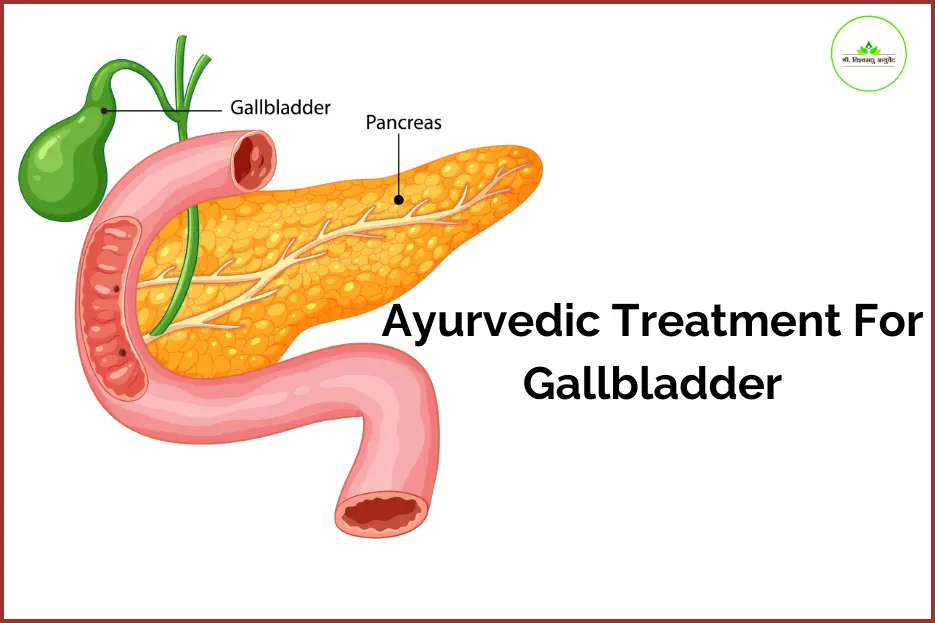
Gallbladder issues are on the rise globally, often due to poor dietary habits, sedentary lifestyles, and high stress. While modern medicine commonly turns to surgery—especially in the case of gallstones—Ayurveda offers a more holistic, non-invasive approach.
In Ayurveda, gallbladder health is deeply connected to the balance of the Pitta dosha, responsible for digestion and metabolism. When Pitta is aggravated, it can lead to bile-related issues such as inflammation, gallstones, and sluggish digestion. Fortunately, Ayurvedic treatment focuses on detoxifying the liver and gallbladder, reducing inflammation, and restoring digestive balance.
Understanding the Gallbladder in Ayurveda
The gallbladder stores and releases bile, which is essential for the digestion of fats. In Ayurveda, it is considered closely linked to the liver (Yakrit) and the Pitta dosha, which governs heat, transformation, and metabolism in the body.
Common Gallbladder Disorders:
- Gallstones (Cholelithiasis)
- Cholecystitis (inflammation of the gallbladder)
- Sluggish bile flow
- Digestive discomfort after fatty meals
From an Ayurvedic perspective, these conditions arise due to:
- Aggravated Pitta and Kapha doshas
- Ama (toxins) accumulation in the liver and gallbladder
- Poor dietary and lifestyle habits
Ayurvedic Treatment Principles
Ayurveda treats gallbladder disorders using a threefold approach:
- Detoxification
- Balancing Pitta and Kapha
- Strengthening digestion (Agni)
Key Ayurvedic Remediesfor Gallbladder Health
1. Herbal Formulations
Ayurveda uses specific herbs to dissolve gallstones, cleanse the liver, and regulate bile flow:
- Kutki (Picrorhiza kurroa): Liver tonic that detoxifies and supports gallbladder health.
- Bhumyamalaki (Phyllanthus niruri): Known for its hepatoprotective and stone-breaking properties.
- Triphala: A gentle daily detoxifier that promotes regular bowel movements and reduces toxin buildup.
- Turmeric (Haridra): Anti-inflammatory and liver-cleansing, helps reduce bile thickening.
- Punarnava: Reduces swelling and supports bile flow.
- Kalmegh (Andrographis): Strong liver detox herb with antimicrobial properties.
These herbs are often combined into classical Ayurvedic formulations like:
- Arogyavardhini Vati
- Liv.52
- Panchakola Churna
Note: Always consult an Ayurvedic practitioner before using these to ensure correct dosage and suitability.
2. Dietary Guidelines (Ahara)
A Pitta-pacifying diet is essential for gallbladder healing. Focus on cooling, detoxifying, and easy-to-digest foods.
Eat:
- Warm, light meals
- Bitter vegetables (bitter gourd, dandelion greens, methi)
- Turmeric, cumin, coriander
- Warm water or herbal teas
Avoid:
- Fried, oily, or fatty foods
- Spicy and sour items
- Caffeine and alcohol
- Processed and preserved foods
3. Lifestyle Practices (Vihara)
- Maintain a regular eating schedule
- Practice gentle yoga and pranayama (deep breathing)
- Avoid stress and excessive heat exposure
- Ensure adequate hydration
- Sleep early and wake early (align with circadian rhythms)
4. Panchakarma for Gallbladder Detox
For chronic or severe cases, Ayurvedic doctors may recommend Panchakarma, a five-fold detox program. Key therapies for gallbladder support include:
- Virechana (Purgation Therapy): Especially effective for eliminating excess Pitta and toxins from the liver-gallbladder region.
- Basti (Herbal Enema): Balances Vata and supports detoxification of lower digestive organs.
- Lepa (Herbal Poultice): External applications on the abdomen to relieve inflammation and discomfort.
Can Ayurveda Dissolve Gallstones?
Ayurvedic treatment focuses on shrinking or gradually dissolving small gallstones, especially cholesterol-based ones, and improving bile flow. However, in cases of large, calcified stones or severe inflammation, surgical intervention may still be necessary. The Ayurvedic approach is ideal for:
- Preventing gallstone formation
- Supporting post-surgery recovery
- Managing early-stage symptoms without surgery
Final Thoughts
Ayurvedic treatment for gallbladder disorders is holistic, aiming to restore balance in body and mind rather than merely suppressing symptoms. By adopting the right herbs, diet, lifestyle, and detox therapies, many people have successfully avoided surgery and regained biliary health naturally.
However, it’s important to work under the guidance of a Certified Ayurvedic Practitioner—especially when dealing with gallbladder-related issues.
Remember: Prevention is better than cure. Start taking care of your liver and gallbladder today for a healthier tomorrow.