Reviewd By
Dr. Manoj Pisal
Founder & Director, Shree Vishwamadhu Ayurved
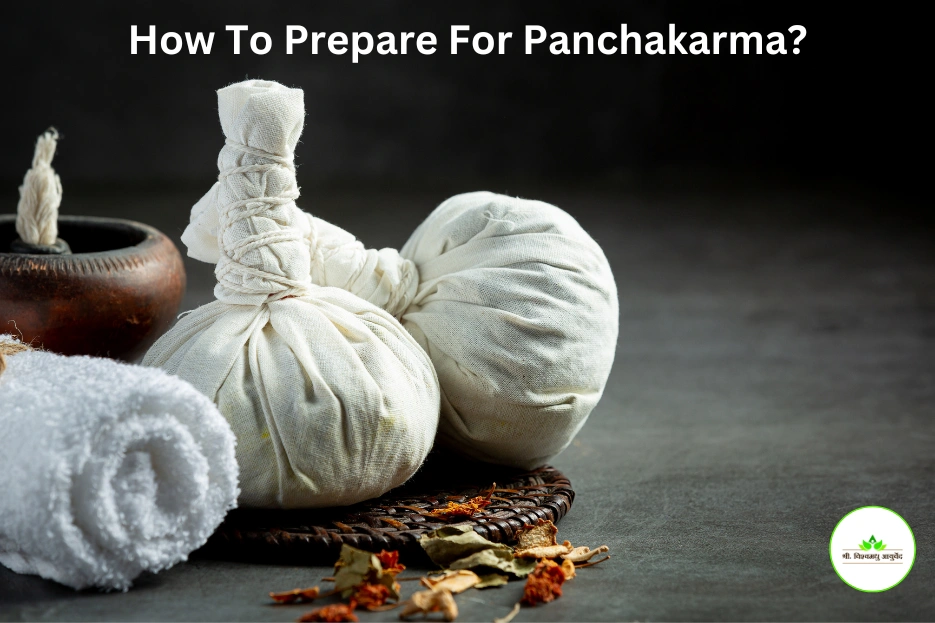
Panchakarma is an intensive Ayurvedic detoxification and rejuvenation process designed to cleanse the body of toxins, restore balance to the doshas, and promote overall health and well-being. Preparing for Panchakarma is an essential step to ensure that you experience the maximum benefits from the treatment. Proper preparation helps ease the detox process, minimizes discomfort, and optimizes the outcomes of the therapy.
In this blog, we’ll explore how to prepare for Panchakarma, including dietary adjustments, lifestyle changes, and mental readiness to ensure a smooth and effective experience.
1. Consultation with an Ayurvedic Practitioner
The first step in preparing for Panchakarma is consulting with a qualified Ayurvedic practitioner. They will assess your individual constitution (Prakriti), current imbalances (Vikriti), lifestyle, and medical history to customize a Panchakarma program tailored to your specific needs.
- What to expect: During the consultation, your practitioner will discuss your health concerns, dosha imbalances, and goals for the treatment. Based on this information, they will recommend specific Panchakarma therapies and a personalized diet and lifestyle plan.
- Dosha Assessment: Understanding your dosha type will help guide the selection of treatments, herbs, and dietary adjustments. For example, Vata imbalances may require warming, grounding treatments, while Pitta imbalances may focus on cooling therapies.
2. Pre-Panchakarma Preparation: Detoxifying Phase (Purvakarma)
Before undergoing the main Panchakarma treatments, it’s important to follow a preparatory phase called Purvakarma. This phase helps to loosen the toxins in the body and prepares the system for the deeper cleansing process. Purvakarma typically includes two main components:
a. Snehana (Oil Therapy)
- What it is: Snehana involves the application of warm herbal oils on the body (external) and/or ingestion of ghee or medicated oils (internal).
- Why it’s important: Snehana helps to loosen toxins (Ama) from the tissues and prepares the body for the deeper cleansing processes. It also lubricates the tissues, reduces dryness (especially beneficial for Vata imbalances), and promotes overall relaxation.
- How to prepare: For a few days before your Panchakarma therapy begins, your Ayurvedic practitioner may recommend consuming ghee or herbal oils in small amounts and applying herbal oils to your body through self-massage or Abhyanga (Ayurvedic massage).
b. Swedana (Fomentation or Steam Therapy)
- What it is: Swedana is the process of sweating, usually induced through herbal steam baths or other methods of heat application.
- Why it’s important: This therapy helps open the pores, enhances circulation, and further loosens toxins in the body. Swedana also helps to soften the tissues and promote the elimination of toxins through sweating.
- How to prepare: You may be asked to undergo steam therapy or use saunas for a few days prior to the main Panchakarma treatments. Your practitioner will guide you based on your dosha and current health status.
3. Dietary Changes and Detox Diet
A crucial part of preparing for Panchakarma is following a specific Ayurvedic diet. The foods you eat before the treatment play a significant role in enhancing the effectiveness of the therapy and ensuring that the body is ready for detoxification.
a. Begin a Simple, Light Diet
- What to eat: During the preparatory phase, you should focus on eating simple, easy-to-digest, and nourishing foods like kitchari (a mixture of rice and lentils), steamed vegetables, broths, and ghee. Avoid heavy, oily, spicy, or processed foods, as they can burden the digestive system and slow down the detoxification process.
- Why it’s important: A lighter diet helps ease digestion and prepares the gastrointestinal system for deeper cleansing. It also helps to reduce the accumulation of excess toxins in the body.
b. Increase Hydration
- What to drink: Drink plenty of warm water, herbal teas (such as ginger, fennel, or peppermint), and broths during the preparation period. Warm liquids help to promote digestion and keep the body hydrated, aiding the elimination of toxins.
- Why it’s important: Hydration is key in preparing for Panchakarma. Warm water supports digestion, assists in the breakdown of toxins, and ensures that your body remains well-hydrated throughout the detox process.
c. Avoid Heavy and Cold Foods
- What to avoid: Cold foods, ice cream, raw salads, fried foods, and overly spicy or salty foods should be avoided. These can disturb the digestive fire (Agni) and hinder the body’s natural ability to detox.
- Why it’s important: Cold and heavy foods can slow down digestion and make it harder for your body to eliminate toxins. A warm, light diet helps balance the digestive system, which is essential for a successful Panchakarma experience.
4. Lifestyle Adjustments Before Panchakarma
To maximize the benefits of Panchakarma, it’s essential to make some lifestyle changes in the days leading up to the treatment:
a. Get Adequate Rest
- Why it’s important: Adequate rest is crucial in preparing the body for detoxification. Fatigue can lead to sluggishness in the digestive system, which may interfere with the cleansing process.
- How to prepare: Try to get plenty of sleep, avoid strenuous activities, and allow your body to relax and rejuvenate before undergoing the Panchakarma treatments.
b. Minimize Stress
- Why it’s important: Stress can negatively impact your dosha balance, digestion, and overall health. Reducing stress before Panchakarma allows the body and mind to enter a state of relaxation, helping the detoxification process.
- How to prepare: Consider incorporating stress-reducing practices such as yoga, meditation, deep breathing, or simply taking time to unwind in nature.
c. Avoid Toxins and Stimulants
- What to avoid: Minimize or avoid consumption of alcohol, caffeine, smoking, or any recreational drugs. These substances can disrupt your body’s natural detox processes and make it harder to achieve the full benefits of Panchakarma.
- Why it’s important: Reducing or eliminating these toxins from your system before Panchakarma will help your body eliminate the accumulated ama (toxins) more effectively.
5. Mental Preparation
Panchakarma is a holistic process that not only detoxifies the body but also addresses the mind and spirit. Mental and emotional preparation is just as important as physical preparation for the process.
- Clear Intentions: Set clear intentions for your Panchakarma journey. Whether your goal is to address a specific health concern, rejuvenate your body, or find mental clarity, having a positive and focused mindset can significantly enhance the results of the therapy.
- Embrace the Process: Understand that Panchakarma is a deep and transformative process. Be open to the experience, and approach it with patience and trust in your Ayurvedic practitioner.
Conclusion: Preparing for a Successful Panchakarma Experience
Proper preparation is essential to ensure a smooth and effective Panchakarma experience. By following the dietary guidelines, incorporating lifestyle adjustments, and consulting with a qualified Ayurvedic practitioner, you will be ready to undergo the detox process and experience its full benefits. Panchakarma is a transformative journey that can improve not only your physical health but also your emotional and spiritual well-being, leading to long-lasting balance and rejuvenation.