22nd June 2025
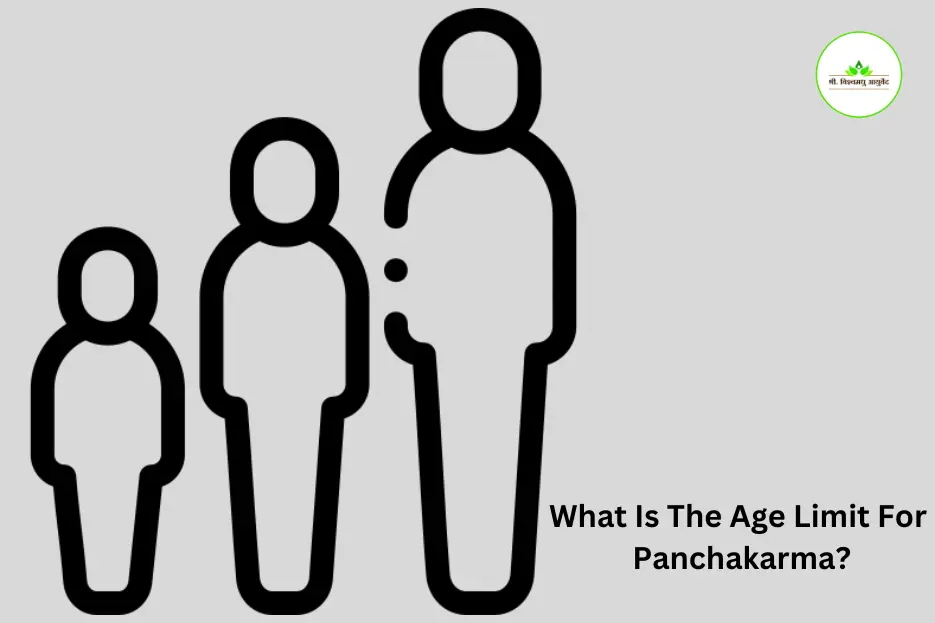
What Is The Age Limit For Panchakarma?
Reviewd By

Dr. Manoj Pisal
Founder & Director, Shree Vishwamadhu Ayurved
Panchakarma, the traditional Ayurvedic detoxification therapy, has been practiced for centuries to restore balance to the body, mind, and spirit. Its holistic approach cleanses the body of toxins and rejuvenates the individual, promoting overall health and well-being. However, like any therapy, Panchakarma may not be suitable for everyone, particularly when considering age factors. In this blog, we will explore the age limits for Panchakarma, its benefits, and who can safely undergo this treatment.
What is Panchakarma?
Panchakarma, derived from two Sanskrit words “Pancha” (five) and “Karma” (actions or treatments), is a set of five therapeutic procedures aimed at cleansing the body of accumulated toxins (known as “ama”) and balancing the doshas (Vata, Pitta, and Kapha). The five key components of Panchakarma are:
- Vamana (therapeutic vomiting)
- Virechana (purgation or cleansing of the bowels)
- Basti (medicated enema)
- Nasya (nasal therapy)
- Raktamokshana (bloodletting, though this is less commonly performed)
These treatments are customized based on an individual’s unique health condition, body type (Prakriti), and the presence of any imbalances in their doshas.
Is There an Age Limit for Panchakarma?
Panchakarma is a potent and effective detoxification method, but it’s not suitable for everyone, especially for certain age groups. The effectiveness and safety of Panchakarma can vary depending on a person’s age, health conditions, and physical capabilities.
- Children (Under 12 Years Old):
- Generally Not Recommended: Panchakarma is typically not advised for children under the age of 12. Children’s bodies are still developing, and undergoing such intense therapies may be too harsh for their delicate systems. Ayurvedic practitioners might recommend milder, child-appropriate therapies for detoxification or general health improvement.
- Adolescents (12-18 Years Old):
- Possible with Caution: Adolescents in this age group can undergo Panchakarma, but with careful consideration of their physical and mental development. Therapies may need to be adjusted, and more gentle approaches are often preferred to ensure safety and comfort during the process.
- Adults (18-60 Years Old):
- Ideal Age for Panchakarma: The majority of individuals who undergo Panchakarma fall within this age range. Adults are typically in a physical state where they can benefit the most from the detoxification and rejuvenation processes. The treatments can help address imbalances caused by modern lifestyles, poor diet, stress, and environmental toxins. However, the treatments should still be tailored to the person’s health condition and dosha type.
- Older Adults (60+ Years Old):
- Requires Close Supervision: While Panchakarma can be incredibly beneficial for older adults to restore vitality and improve health, it requires careful monitoring. Aging bodies may have weakened immunity, digestive systems, and overall resilience. For older individuals, therapies must be modified to accommodate their health concerns, such as cardiovascular issues, arthritis, and digestive problems. It’s crucial that they consult with a qualified Ayurvedic practitioner who can design a safe, gentle Panchakarma regimen tailored to their needs.
Health Conditions and Panchakarma
Age is not the only determining factor for undergoing Panchakarma. Your overall health condition plays a significant role. Some health conditions may restrict the use of certain therapies. For instance:
- Pregnancy: Pregnant women should avoid Panchakarma treatments as they can be too intense and may disrupt the body’s natural balance.
- Severe Illnesses: Individuals suffering from acute or severe illnesses like cancer, heart disease, or infections may need to postpone Panchakarma treatments until their health stabilizes.
- Chronic Conditions: For people with chronic conditions such as diabetes, hypertension, or autoimmune disorders, Panchakarma can be beneficial but requires special care. It’s essential to work with an Ayurvedic doctor who can customize treatments.
Benefits of Panchakarma for Different Age Groups
- For Young Adults (18-35 Years): Panchakarma helps to detoxify the body, improve skin health, boost energy, and enhance digestion. It can be a rejuvenating experience for those facing stress, anxiety, or hormonal imbalances.
- For Middle-Aged Adults (36-60 Years): This age group may experience the effects of aging, weight gain, and lifestyle-related diseases like high cholesterol or arthritis. Panchakarma helps reduce stress, alleviate chronic pain, and improve metabolism and immune function.
- For Older Adults (60+ Years): Panchakarma offers rejuvenation for aging bodies, helping to enhance circulation, reduce fatigue, ease joint pain, and boost mental clarity. It is known to be effective in improving mobility and energy levels.
Conclusion: Panchakarma and Age – What You Need to Know?
While there is no strict “age limit” for Panchakarma, the therapy should always be adapted to suit an individual’s health condition, physical capabilities, and age. Younger individuals, such as children and adolescents, may need milder versions of the therapy, while older adults may require a more gentle approach. Consulting with an experienced Ayurvedic practitioner is crucial to determine if Panchakarma is appropriate and safe for you at any age.
Panchakarma offers life-changing benefits, but it’s essential to ensure that the treatments are personalized and conducted under professional supervision. Whether you’re looking to detoxify, rejuvenate, or restore balance, Panchakarma can be an excellent way to promote long-term health and well-being, regardless of age.